Better Water for All Network Organised second Webinar on AMR
On 6 February, the Better Water for All Network successfully held its second webinar, bringing together researchers, practitioners, and water-sector professionals for an in-depth discussion on one of today’s most challenging water contaminants: Antimicrobial Resistance (AMR). The event featured a keynote presentation from Prof. William Gaze, leads an active research group at the University of Exeter Medical School based at Exeter’s Cornwall campus, working on the environmental dimension of AMR evolution, ecology and transmission.
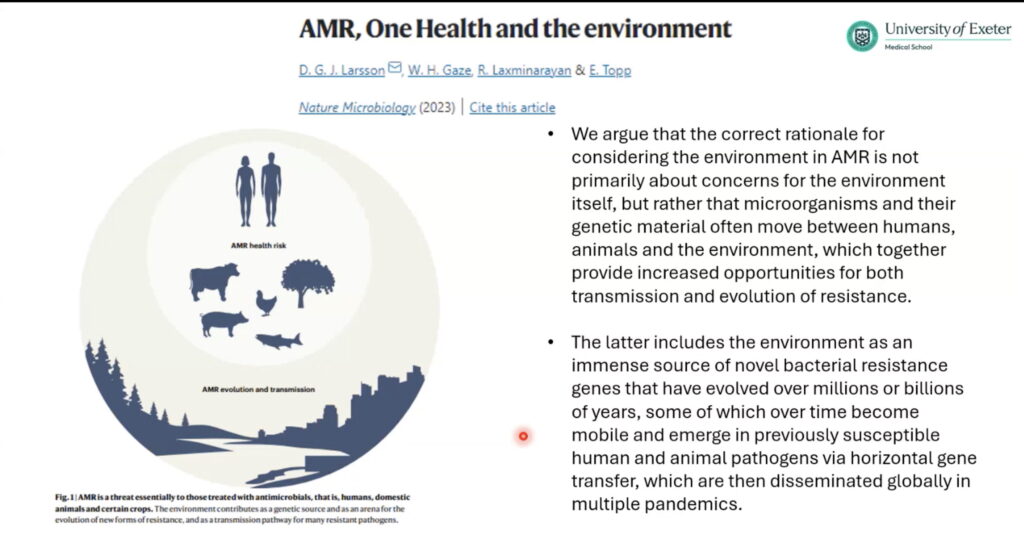
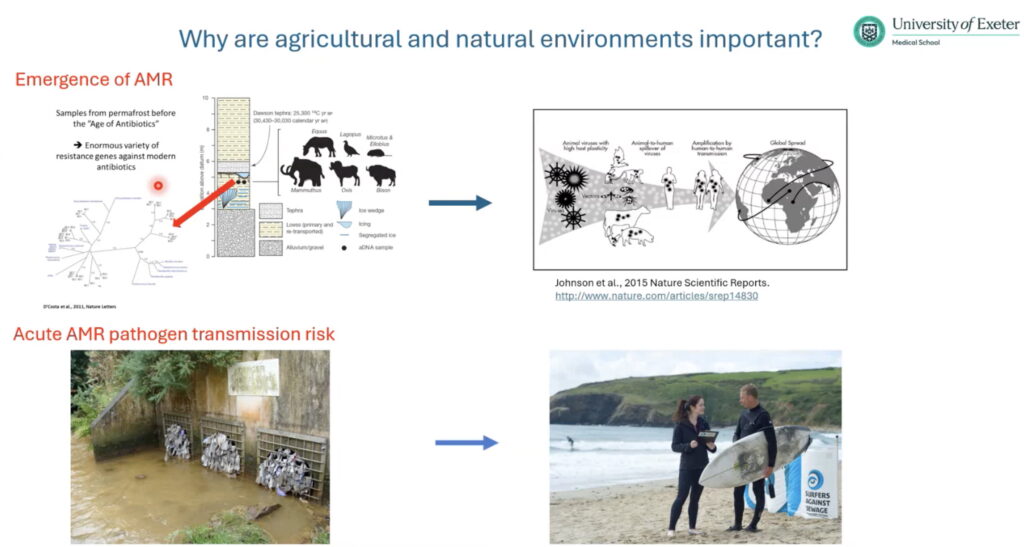
Antimicrobial resistance (AMR) in water is a critical global health and environmental issue because aquatic systems act as major reservoirs and transmission pathways for resistant bacteria, resistance genes, and antimicrobial residues. Wastewater from hospitals, households, agriculture, and pharmaceutical production often carries antibiotics and resistant microorganisms into rivers, lakes, and groundwater, where they can persist, multiply, and spread across ecosystems. These contaminated water sources can then re-enter human and animal populations through drinking water, irrigation, food production, and recreation, undermining the effectiveness of life-saving medicines. Addressing AMR in water is therefore essential for protecting public health, safeguarding ecosystems, and ensuring the long-term effectiveness of antimicrobial treatments within a One Health framework that links human, animal, and environmental health.
The event marked an important milestone for the Better Water for All Network, which aims to connect science, policy, and practice to support safer and more sustainable water systems. Video can be found on our Youtube Channel and more webinars and collaborative activities will follow as the network continues to grow.